Archives
- 2026-04
- 2026-03
- 2026-02
- 2026-01
- 2025-12
- 2025-11
- 2025-10
- 2025-09
- 2025-03
- 2025-02
- 2025-01
- 2024-12
- 2024-11
- 2024-10
- 2024-09
- 2024-08
- 2024-07
- 2024-06
- 2024-05
- 2024-04
- 2024-03
- 2024-02
- 2024-01
- 2023-12
- 2023-11
- 2023-10
- 2023-09
- 2023-08
- 2023-07
- 2023-06
- 2023-05
- 2023-04
- 2023-03
- 2023-02
- 2023-01
- 2022-12
- 2022-11
- 2022-10
- 2022-09
- 2022-08
- 2022-07
- 2022-06
- 2022-05
- 2022-04
- 2022-03
- 2022-02
- 2022-01
- 2021-12
- 2021-11
- 2021-10
- 2021-09
- 2021-08
- 2021-07
- 2021-06
- 2021-05
- 2021-04
- 2021-03
- 2021-02
- 2021-01
- 2020-12
- 2020-11
- 2020-10
- 2020-09
- 2020-08
- 2020-07
- 2020-06
- 2020-05
- 2020-04
- 2020-03
- 2020-02
- 2020-01
- 2019-12
- 2019-11
- 2019-10
- 2019-09
- 2019-08
- 2019-07
- 2019-06
- 2019-05
- 2019-04
- 2018-11
- 2018-10
- 2018-07
-
The molecular mechanisms underlying spindle orientation are
2022-05-06
The molecular mechanisms underlying spindle orientation are still largely unknown. Budding yeast has been used to study spindle positioning and asymmetric cell division. Indeed, after cytokinesis, daughter cells have different sizes. The cell division plane is established early in the cell cycle and
-
br Introduction The signaling molecule nitric oxide NO plays
2022-05-06
Introduction The signaling molecule nitric oxide (NO) plays an essential role in vessel homeostasis by initiating vasodilation [1], [2], [3]. After biosynthesis in endothelial cells, NO diffuses into the subjacent smooth muscle layer to reach its target enzyme, soluble guanylyl cyclase (sGC, EC 4
-
PDEs a group of metallophosphohydrolases hydrolyze the
2022-05-06
PDEs, a group of metallophosphohydrolases, hydrolyze the 3′,5′-cyclic phosphate group on cyclic nucleotides to a 5′-monophosphate, thereby blocking cyclic AMP (cAMP) or cGMP signaling [8,9]. There are different types of PDE isozymes, with different substrate specificities. PDE5 (specific to cGMP) an
-
In addition for the function
2022-05-06
In addition, for the function of GSNOR in brain, since GSNOR is the sole alcohol dehydrogenase isozyme in brain, the failure to detect ethanol dehydrogenase activity poses a problem if it is assumed that this enzyme has evolved and developed as a protective mechanism for ethanol detoxification in th
-
After the synthesis of methylsulfonyl or tetrazole surrogate
2022-05-06

After the synthesis of methylsulfonyl or tetrazole surrogate derivatives, compounds synthesized by introducing hydrogen, fluoro, and methyl groups into the head group of GPR119 agonists were synthesized. Compounds – were synthesized by reacting hydroxybenzaldehyde with fluorine, hydrogen, or a methy
-
We also explored various nitrogen substituents with
2022-05-06
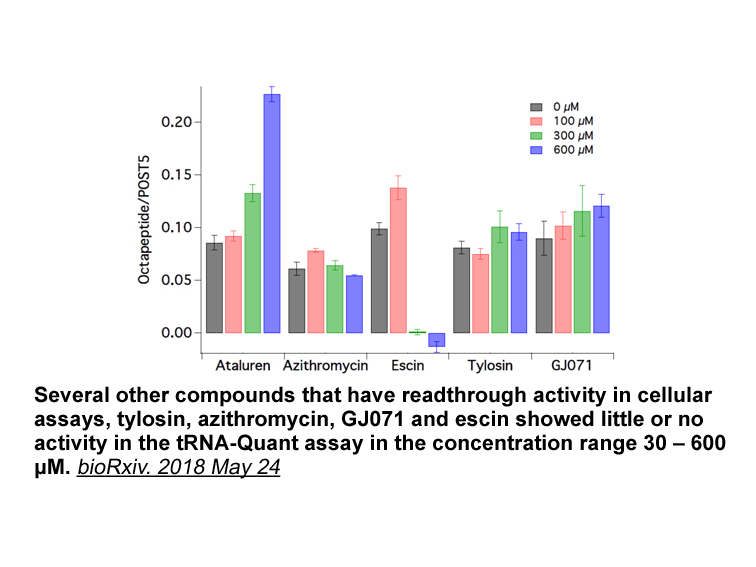
We also explored various nitrogen substituents with an aim toward modulating sterics and basicity within the ABH series. No glycine uptake inhibition was detected with non-basic bicycles (data not shown). Isopropyl was the best compromise between desired on-target effect and clearance, however, effl
-
br Conclusion br Acknowledgments br Introduction The
2022-05-06
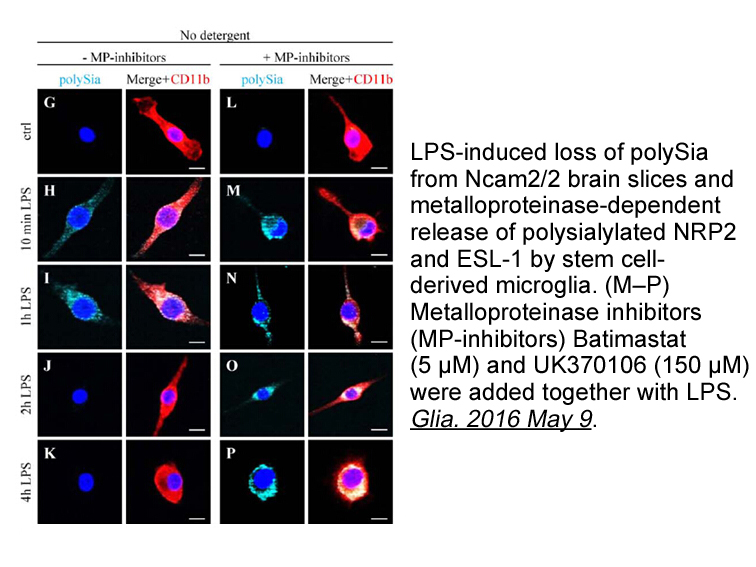
Conclusion Acknowledgments Introduction The gyloxalase pathway is a well-conserved antioxidant defense system found in all cells of the body [1], [2], [3], [4]. The glyoxalase pathway facilitates the neutralization of highly reactive and oxidizing dicarbonyl molecules, with methylglyoxal (M
-
br Endogenous lipids as SLC transporter modulators Lipids
2022-05-06
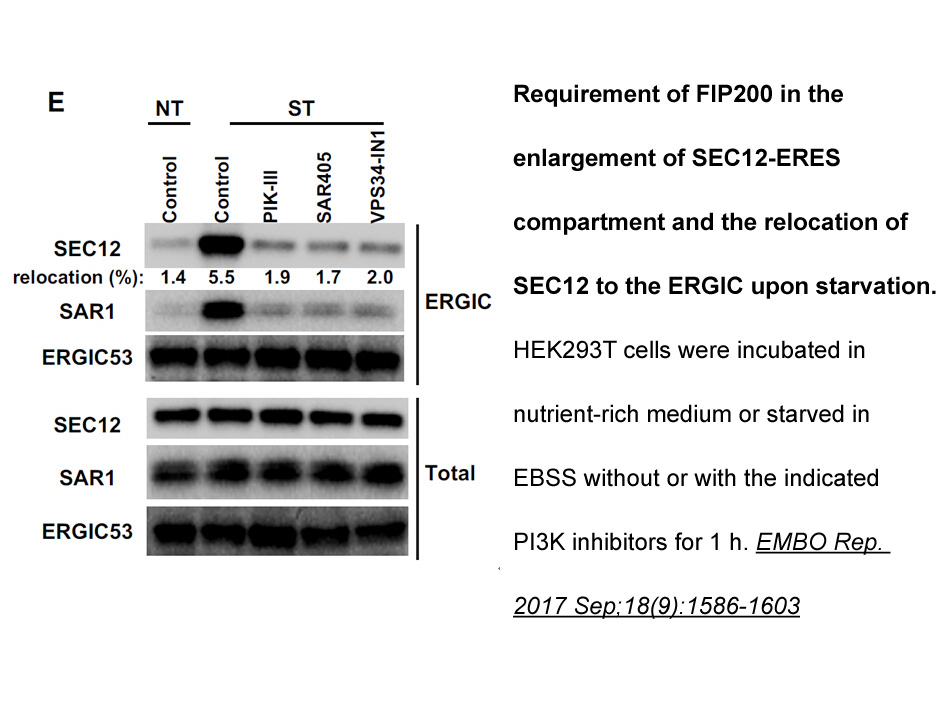
Endogenous lipids as SLC6 transporter modulators Lipids constitute part of the environment in which membrane-embedded transporters operate [62]. Endogenous lipids can act as inhibitory ligands [63] or functionally important components of the membrane that impart changes in transporter structure [
-
br Conclusions The results of this work
2022-05-05
Conclusions The results of this work showed that β-glucosidase could be efficiently immobilized onto hydroxyapatite nanoparticles in a single adsorption step. The enzyme adsorption was accomplished by coordination bonds between remaining Ca2+ sites of HA and COO− of amino acids. The immobilizatio
-
br Introduction Glucokinase GCK hexokinase
2022-05-05
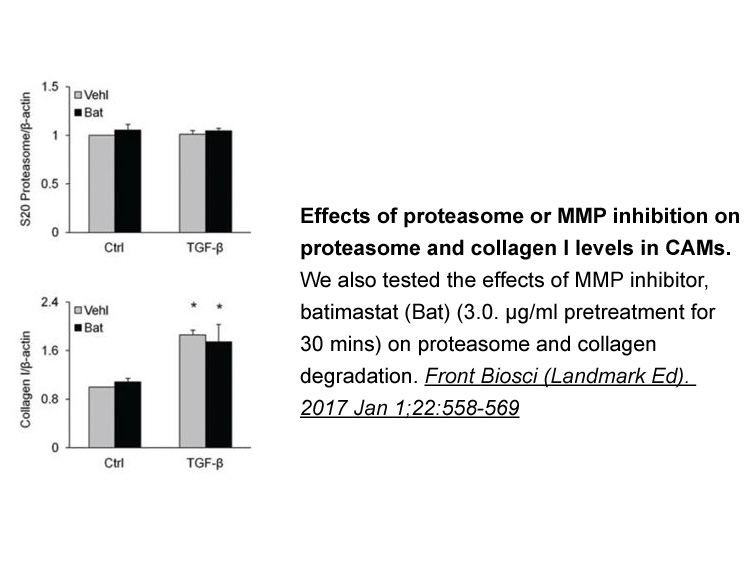
Introduction Glucokinase (GCK, hexokinase IV) is a monomeric enzyme that catalyzes the ATP-dependent conversion of glucose to glucose 6-phosphate, the first and rate-limiting step of glycolysis in the liver and pancreas [1,2]. GCK was first discovered in the early 1960's, and shortly thereafter i
-
br Results br Discussion ER and GR play
2022-05-05

Results Discussion ER and GR play opposite phenotypic roles in the normal endometrium, with ER promoting growth and GR inhibiting growth. Here, we show that in endometrial cancer, GR expression is associated with worse outcomes and higher-grade tumors, and this association is observed only in
-
br Experimental section br Results and discussion br Conclus
2022-05-05
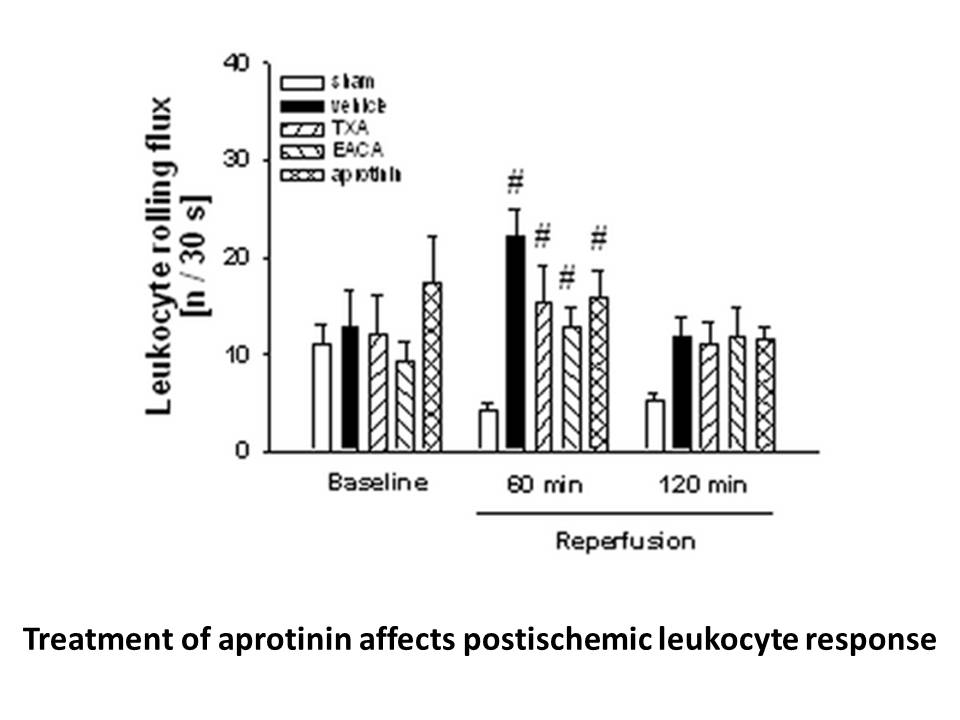
Experimental section Results and discussion Conclusions To summarize, the act of conjugating a ASC ligands to a Ru(II) polypyridyl subunits resulted in a class of excellent DNA binders. A comparison of the DNA binding abilities of the free ASC ligand and the complexes, has revealed that the
-
Epinephrine Bitartrate The fibroblast growth factor receptor
2022-05-05
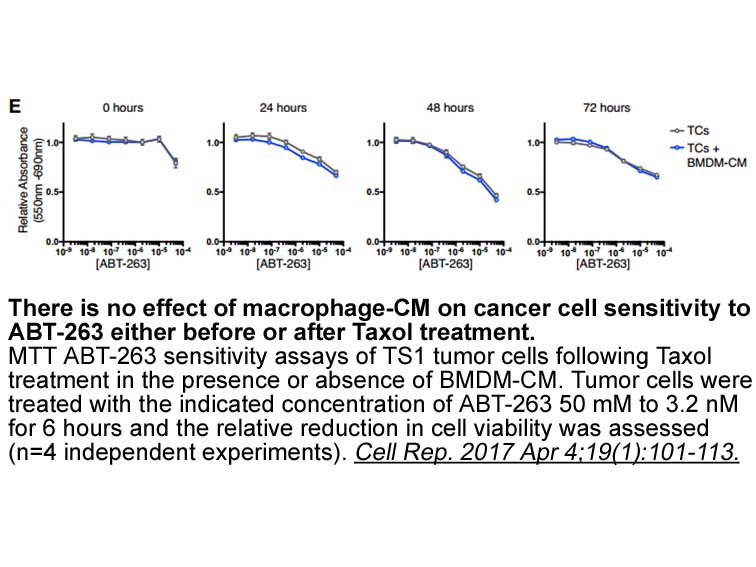
The fibroblast growth factor receptor (FGFRs), including four highly conserved proteins (FGFR1-4), are important membrane sensors for extracellular signals [4]. By binding to their ligands, FGFRs are activated and can trigger various downstream intracellular signaling cascades, which is required for
-
Meanwhile a myriad of studies using tissue
2022-05-05
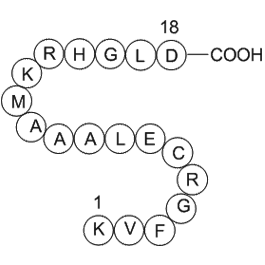
Meanwhile a myriad of studies using tissue- and cell type-specific deletion of GPX4 have provided evidence that various tissues/cells, such as distinct neuronal cell populations including glutamatergic neurons of the forebrain [24], Purkinje cells of the cerebellum [74] and motor neurons [75], photo
-
In vitro studies have described the kinetic parameters of th
2022-05-05
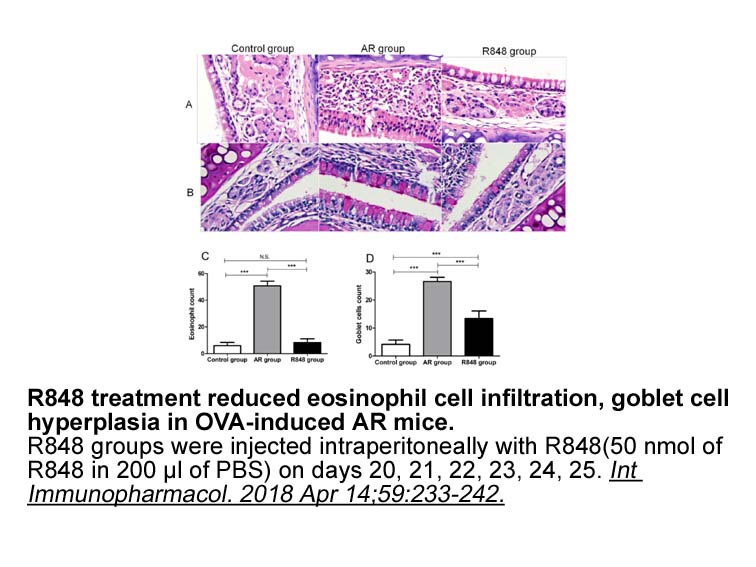
In vitro studies have described the kinetic parameters of the KDM4A catalytic site (cKDM4A) (Figure 1C) (23); the kcat/KM (kcat as the catalytic constant and KM as the Michaelis constant) values represent how fast the enzyme reacts with the substrate once it encounters the substrate, where the value
16756 records 492/1118 page Previous Next First page 上5页 491492493494495 下5页 Last page