Archives
- 2026-08
- 2026-07
- 2026-06
- 2026-05
- 2026-04
- 2026-03
- 2026-02
- 2026-01
- 2025-12
- 2025-11
- 2025-10
- 2025-09
- 2025-03
- 2025-02
- 2025-01
- 2024-12
- 2024-11
- 2024-10
- 2024-09
- 2024-08
- 2024-07
- 2024-06
- 2024-05
- 2024-04
- 2024-03
- 2024-02
- 2024-01
- 2023-12
- 2023-11
- 2023-10
- 2023-09
- 2023-08
- 2023-07
- 2023-06
- 2023-05
- 2023-04
- 2023-03
- 2023-02
- 2023-01
- 2022-12
- 2022-11
- 2022-10
- 2022-09
- 2022-08
- 2022-07
- 2022-06
- 2022-05
- 2022-04
- 2022-03
- 2022-02
- 2022-01
- 2021-12
- 2021-11
- 2021-10
- 2021-09
- 2021-08
- 2021-07
- 2021-06
- 2021-05
- 2021-04
- 2021-03
- 2021-02
- 2021-01
- 2020-12
- 2020-11
- 2020-10
- 2020-09
- 2020-08
- 2020-07
- 2020-06
- 2020-05
- 2020-04
- 2020-03
- 2020-02
- 2020-01
- 2019-12
- 2019-11
- 2019-10
- 2019-09
- 2019-08
- 2019-07
- 2019-06
- 2019-05
- 2019-04
- 2018-11
- 2018-10
- 2018-07
-
Recently cross talk between DDR and the insulin receptor and
2020-03-24

Recently, cross-talk between DDR2 and the insulin receptor and between Notch1 and DDR1 was proposed. Stimulation of cells with collagen I and insulin promotes Tyr740 as well as total tyrosine phosphorylation of DDR2 receptor to a greater extent than the phosphorylation stimulated by collagen I alone
-
Itch also known as astrophin
2020-03-24
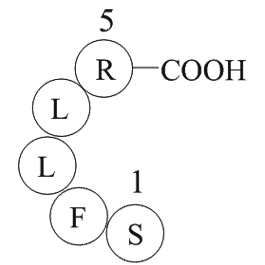
Itch, also known as astrophin-1 interacting protein-4 (AIP4), is a HECT domain-E3 ligase. It was discovered in 1998 in mouse coat color genetic studies which displayed the disruption caused by the Itch gene inducing a lethal autoimmune inflammatory condition. The substrates of Itch are transmembrane
-
br Introduction Noncanonical nucleoside triphosphates
2020-03-24
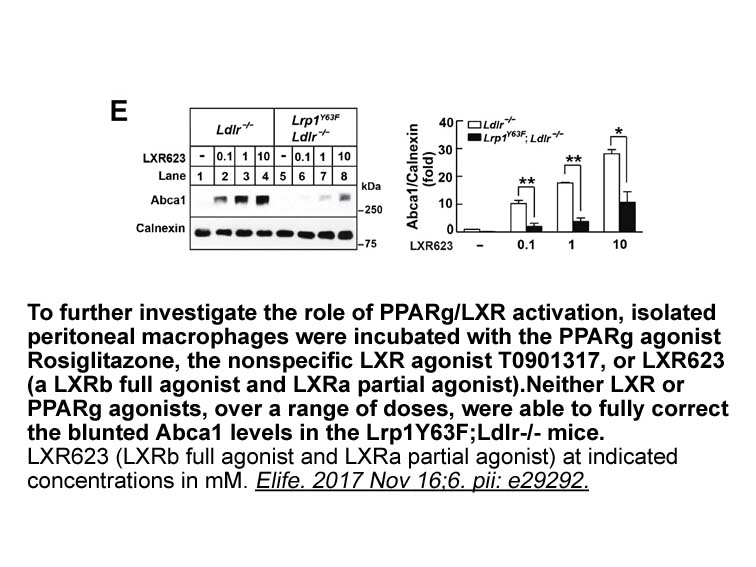
Introduction Noncanonical nucleoside triphosphates (NTPs; such as deoxyinosine triphosphate (dITP), deoxyxanthosine triphosphate (dXTP), 8-oxo-deoxyguanosine triphosphate, and 2-oxo-deoxyadenosine triphosphate are produced from oxidation, deamination, or other modifications of canonical nucleotid
-
The most significant finding was the inhibition
2020-03-24
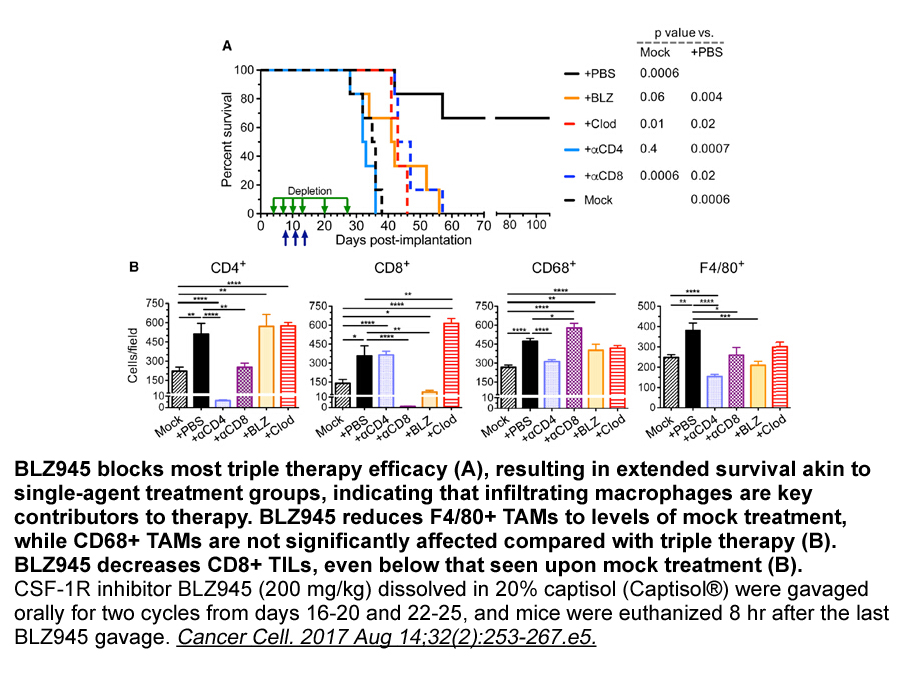
The most significant finding was the inhibition of EROD and BFCOD activity by CLO. Inhibition of EROD and BFCOD were reversible, as pre-incubation did not enhance CLO inhibitory potency, and no reductions in IC50 values were observed. We further characterized the kinetic pattern of inhibition using
-
br COTSget based Architectures This section describes how
2020-03-24
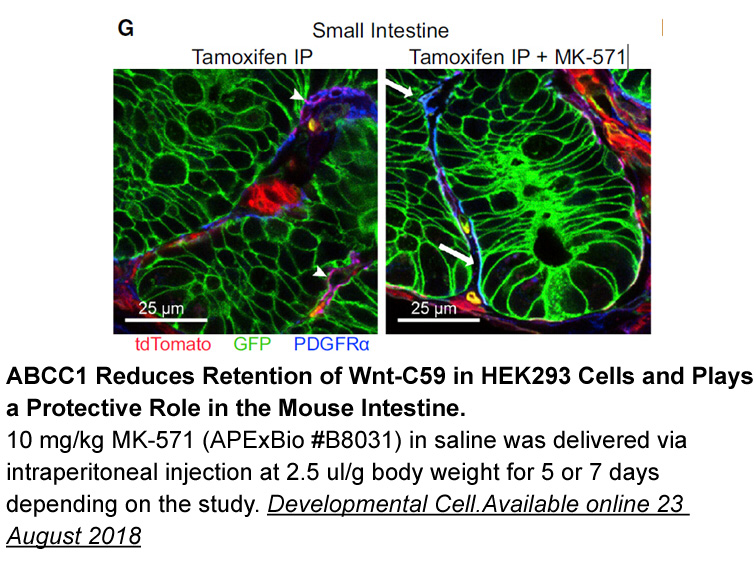
COTSget-based Architectures This section describes how our COTSget-based architectures are defined. We use a design inspired by MDE to build a Domain-Specific Language (DSL) of the architecture, as can be seen in the metamodel of Fig. 3. This metamodel defines the abstract syntax of our DSL and i
-
Following the relationship model adopted in this
2020-03-24
Following [20], [22], the relationship model adopted in this PMX 205 work to estimate the time to failure is the Inverse Power Law (IPL): Where L is the SUT life characteristic (e.g. the mean time to failure), s represents the stress level, while k and w are model-related parameters to be defined f
-
Population genetic summary statistics for five super and
2020-03-24
Population genetic summary statistics for five super- and 26 sub-populations, including haplotype and diplotype frequencies (analogous to allele and genotype frequencies), observed (Ho) and expected (He) heterozygosities, pairwise genetic distances, and tests for detection of departures from Hardy W
-
Sterol regulatory element binding proteins
2020-03-23
Sterol regulatory element binding proteins (SREBPs) regulate transcription of genes involved in fatty SBI-0206965 synthesis [38] (fatty acid synthase, and acetyl-CoA carboxylase) as well as triglyceride synthesis [39]. SREBP-1 protein levels are reduced in 3T3-F442A adipocytes [40] and increased in
-
br Functional significance Defects of the lysyl hydroxylases
2020-03-23
Functional significance Defects of the lysyl hydroxylases LH1, LH2, and LH3 impair collagen secretion and stability in the extracellular matrix, and cause rare connective tissue disorders such as Ehlers-Danlos type-VI [27], Bruck syndrome [28], and skeletal dysplasia [29], respectively. Elucidati
-
There is a functional ubiquitin association UBA domain
2020-03-23
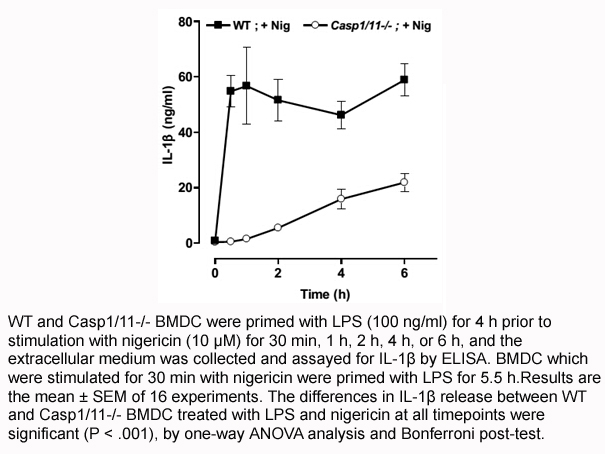
There is a functional ubiquitin association (UBA) domain at the N terminus of MCPIP1. Liang et al. have discovered that MCPIP1 may be a deubiquitinase and defined a novel DUB domain of MCPIP1 [22]. Ubiquitin and deubiquitin modification emerge as the key mechanisms that regulate the virus-induced ty
-
br Results and discussion br Conclusion We have constructed
2020-03-23
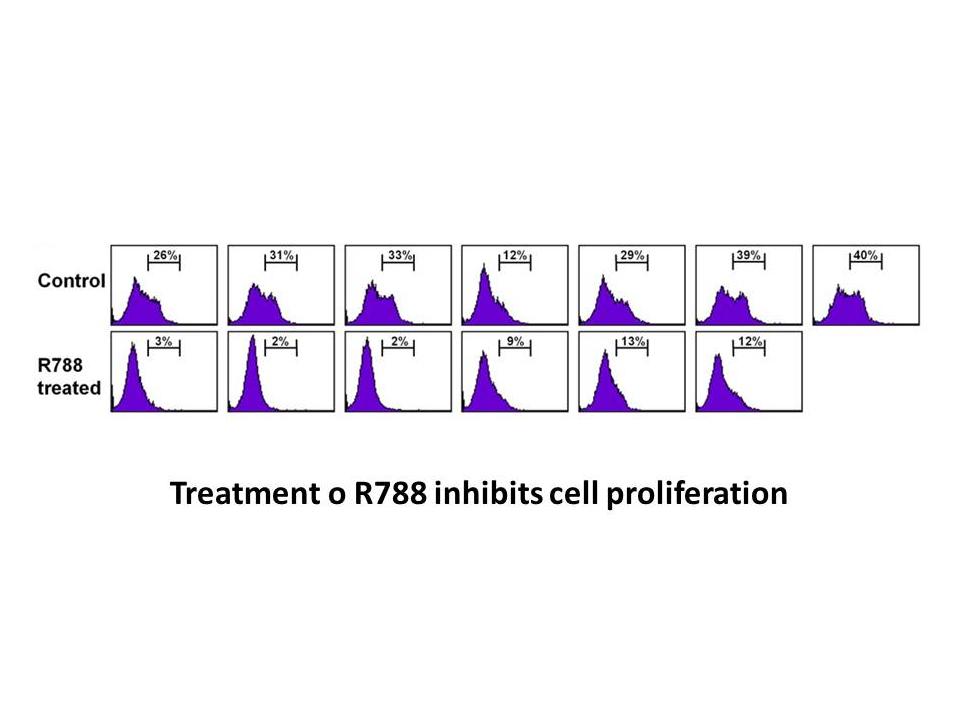
Results and discussion Conclusion We have constructed a series of potent and greatly selective DPP-4 inhibitors with pyrazolo[1,5-a]pyrimidin-7(4H)-one core surrogates. The modification of the core led us to b2 which has IC50 of 80 nM and > 1000 fold selectivity over DPP-8 and DPP-9. We utiliz
-
This hydrophobic biphenyl tail gave good binding affinity
2020-03-23
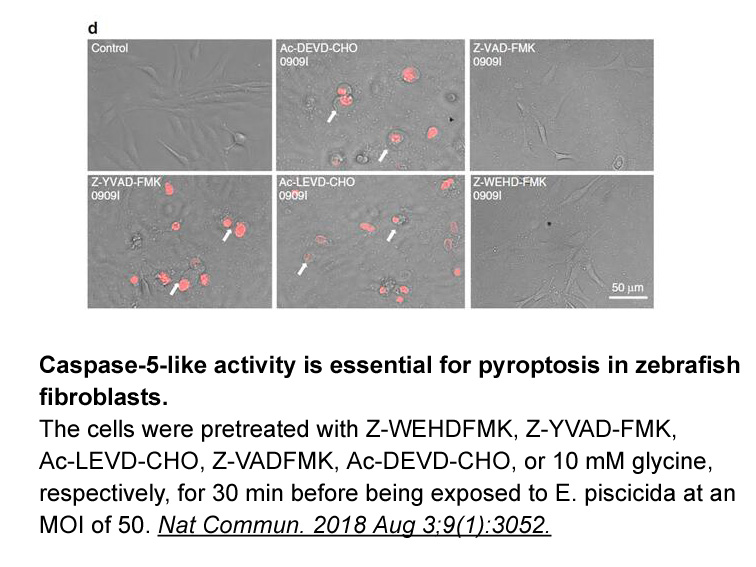
This hydrophobic biphenyl tail gave good binding affinity for human DHODH enzyme (IC simvastin was found to be the main metabolite in human microsomes and it was 100-fold less active against hDHODH than the ester. In an attempt to identify the specific non-covalent binding interactions which were
-
G DH has gained interest
2020-03-23
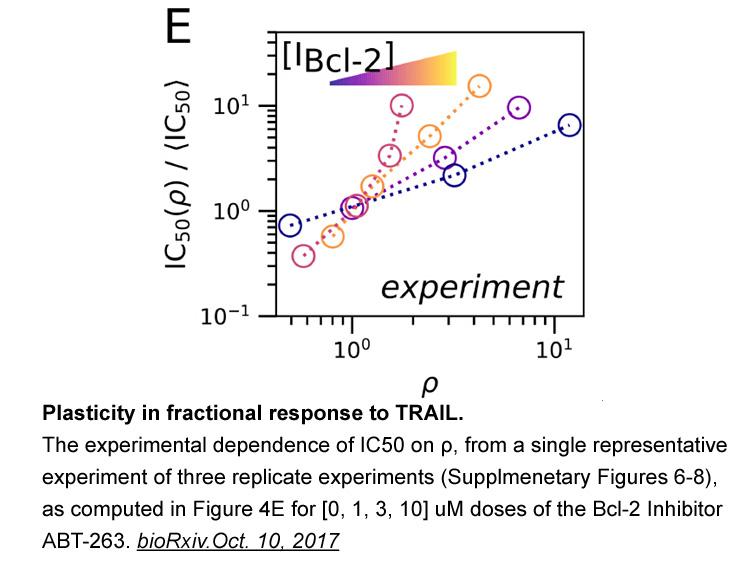
G3DH has gained interest because of its broad substrate specificity and site-selective oxidation properties [9,10]. The conversion product, 3-ketoglycoside, possesses potential as a starting material for the chemical industry such as in polymer and surfactants because the keto group becomes a specif
-
br The contribution of Interference RNA and epigenetic in OA
2020-03-23
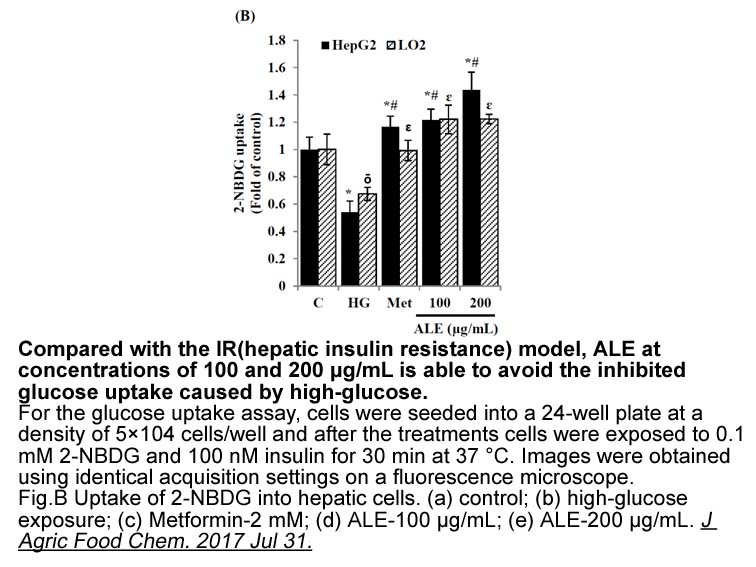
The contribution of Interference RNA and epigenetic in OA attenuation Interference RNA, a cellular mechanism for post-transcriptional gene silencing that is associated with mRNA. The potential of RNAi has successfully silenced the wide range of protein coding genes. Its high specificity sanctions
-
ERR is constitutively active in the absence of endogenous li
2020-03-21
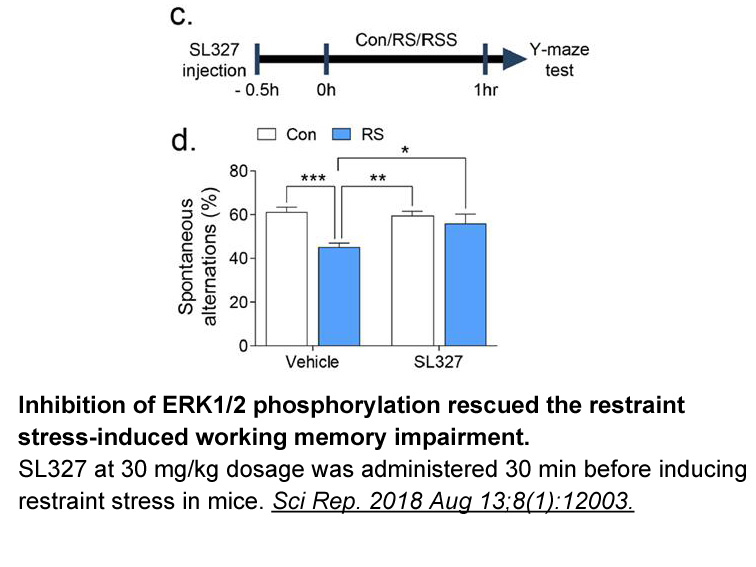
ERRγ is constitutively active in the absence of endogenous ligand. However, several synthetic ligands that can repress or induce ERRγ function by disrupting ERRγ-coactivator interactions have been reported to date. The estrogen receptor modulators diethylstilbestrol (DES) and 4-hydroxytamoxifen (4-O
16931 records 923/1129 page Previous Next First page 上5页 921922923924925 下5页 Last page