Archives
- 2026-08
- 2026-07
- 2026-06
- 2026-05
- 2026-04
- 2026-03
- 2026-02
- 2026-01
- 2025-12
- 2025-11
- 2025-10
- 2025-09
- 2025-03
- 2025-02
- 2025-01
- 2024-12
- 2024-11
- 2024-10
- 2024-09
- 2024-08
- 2024-07
- 2024-06
- 2024-05
- 2024-04
- 2024-03
- 2024-02
- 2024-01
- 2023-12
- 2023-11
- 2023-10
- 2023-09
- 2023-08
- 2023-07
- 2023-06
- 2023-05
- 2023-04
- 2023-03
- 2023-02
- 2023-01
- 2022-12
- 2022-11
- 2022-10
- 2022-09
- 2022-08
- 2022-07
- 2022-06
- 2022-05
- 2022-04
- 2022-03
- 2022-02
- 2022-01
- 2021-12
- 2021-11
- 2021-10
- 2021-09
- 2021-08
- 2021-07
- 2021-06
- 2021-05
- 2021-04
- 2021-03
- 2021-02
- 2021-01
- 2020-12
- 2020-11
- 2020-10
- 2020-09
- 2020-08
- 2020-07
- 2020-06
- 2020-05
- 2020-04
- 2020-03
- 2020-02
- 2020-01
- 2019-12
- 2019-11
- 2019-10
- 2019-09
- 2019-08
- 2019-07
- 2019-06
- 2019-05
- 2019-04
- 2018-11
- 2018-10
- 2018-07
-
These data from developing brain are in
2021-05-31
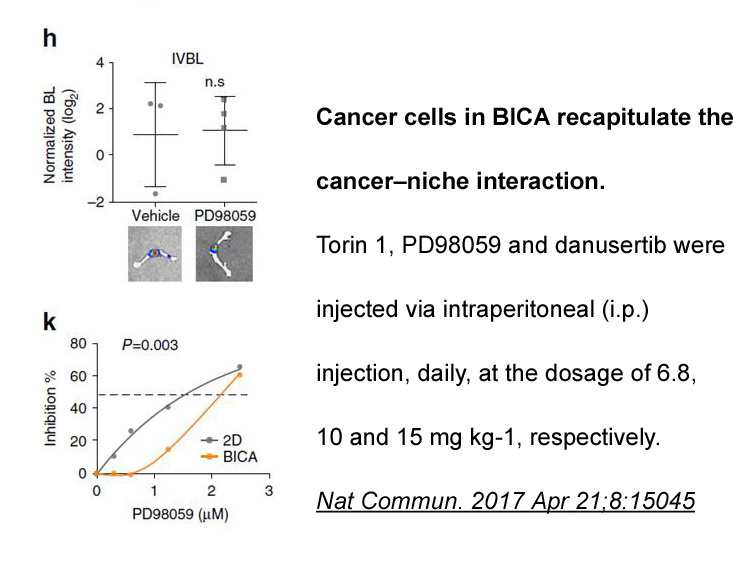
These data from developing Ciprofloxacin hydrochloride are in contrast to noradrenergic receptor regulation in the adult brain. In adult animals, a persistent increase in the α2-AR high affinity state is elicited as a result of DSP-4 lesion or reserpinization, as measured by [3H]clonidine binding to
-
Cell Cycle Compound Library receptor br Results br Discussio
2021-05-31
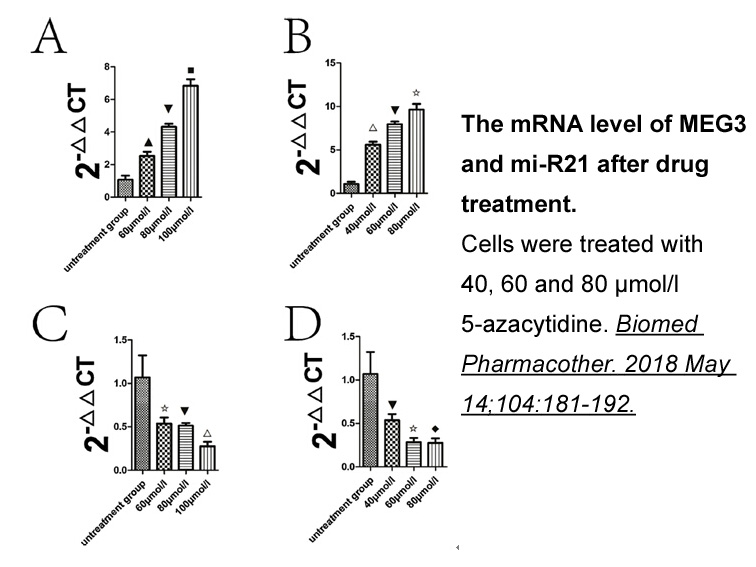
Results Discussion The structures presented here were solved at high Cell Cycle Compound Library receptor and show in detail how DDR1 achieves high affinity for imatinib and ponatinib, respectively. Both type II inhibitors bind in their more potent extended conformations to the inactive DFG-ou
-
Another breakthrough towards the understanding of the
2021-05-31
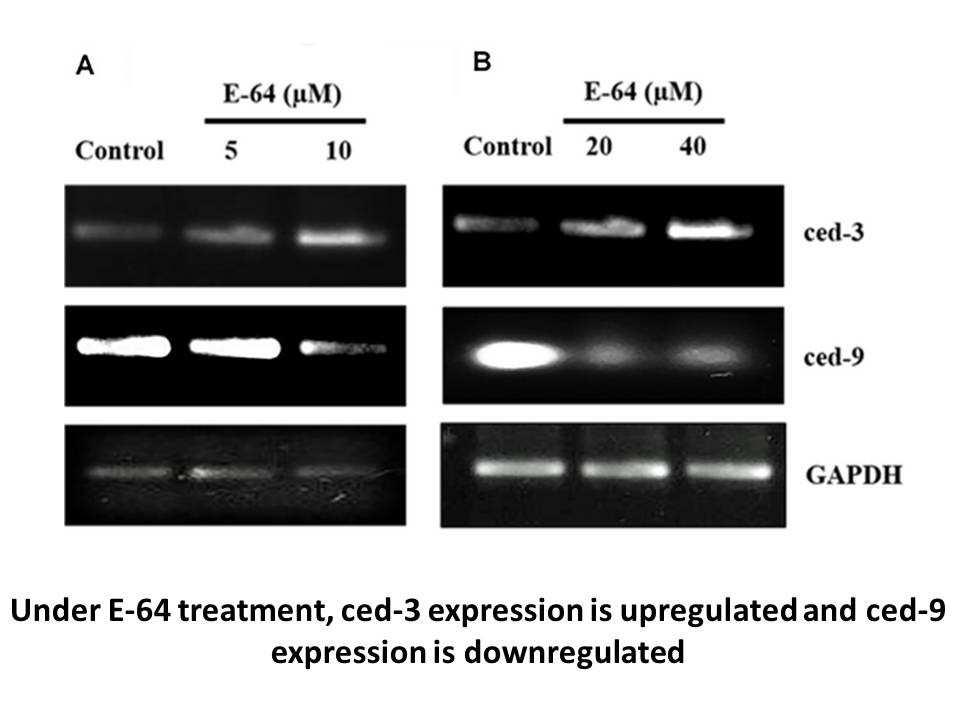
Another breakthrough towards the understanding of the mechanisms responsible for stress-induced relapse to drug seeking behaviour is the evidence published by the group of Wise [34] in which they show that the activation of VTA CRF2 and not CRF1 receptors is responsible for stress-mediated relapse t
-
In rodent models the loss of estrogens through ovariectomy h
2021-05-28
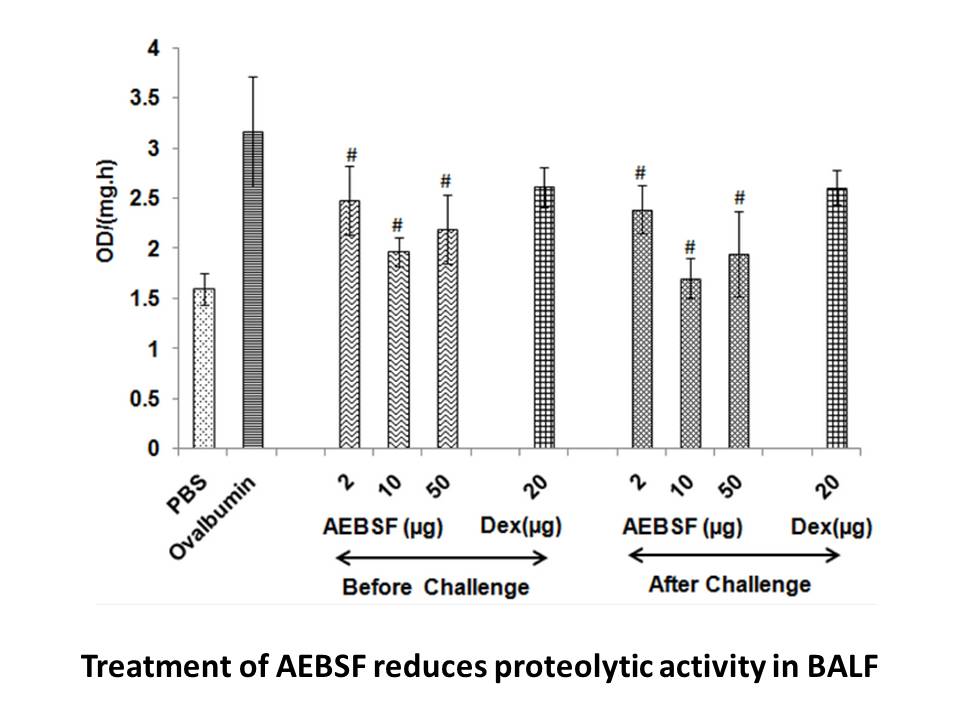
In rodent models, the loss of estrogens through ovariectomy has been shown to promote the development of intracranial aneurysms. Conversely, the administration of an Clofibric Acid receptor beta agonist restores its protective effect, but is abolished with the introduction of a nitric oxide synthase
-
The transcription factor CREB has
2021-05-28
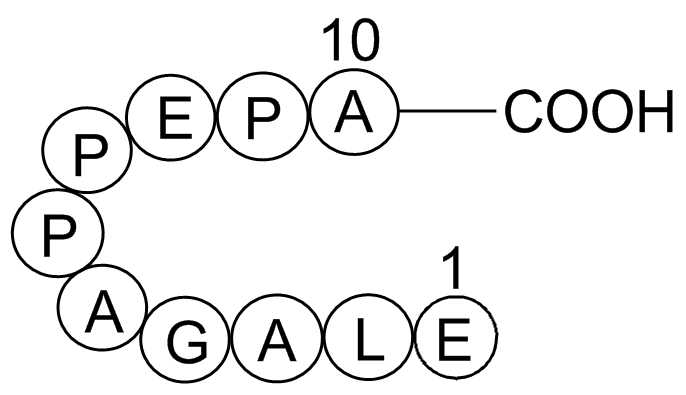
The transcription factor CREB has been extensively studied for its role in hippocampus-dependent learning and memory (West et al., 2002, Lonze and Ginty, 2002). Previous research has demonstrated that the phosphorylation of CREB at Ser133, performed by the ERK1/2 signaling pathway, initiates a casca
-
PGE exerts its functions by
2021-05-28
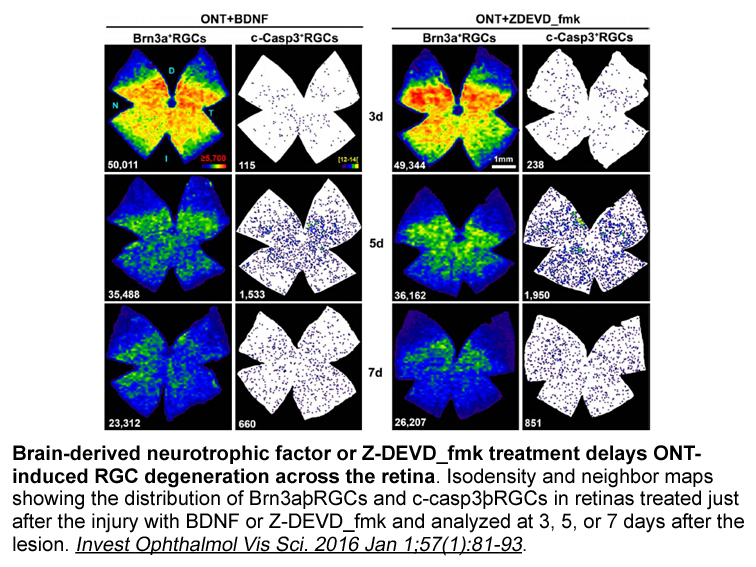
PGE2 exerts its functions by binding to different receptors. Four different subtypes of PGE2 receptors are found in mammals and are designated as EP1-4. These are G-protein coupled receptors that belong to a family of seven rhodopsin-like transmembrane spanning receptors. They are structurally diffe
-
Repulsive interactions towards undesirable substrates are ar
2021-05-28
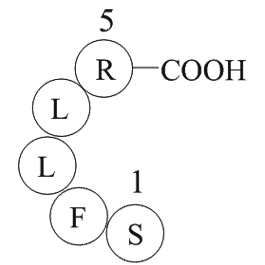
Repulsive interactions towards undesirable substrates are arguably a very efficient means to implement specificity [8]. In particular, it could be assumed that discrimination against a substrate that is larger than the cognate substrate may be achieved easily by restricting the active site and explo
-
Leupeptin The Penicillium strain used in this work was isola
2021-05-28
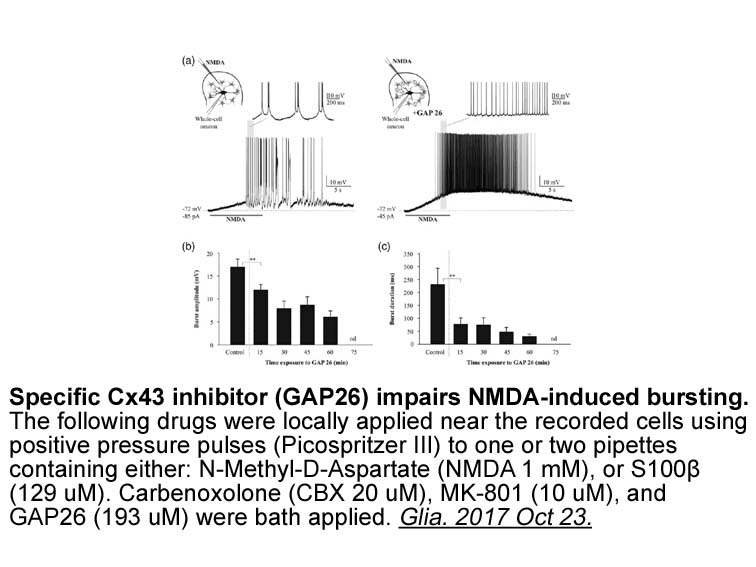
The Penicillium strain used in this work was isolated from Atlantic forest soil and previously screened as lipase producer (Tauk-Tornisielo et al., 2005). The immobilization was previously evaluated using hydrophobic supports, i.e. agarose based butyl-(But), phenyl-(Phe) and octyl-Sepharose (Oct), a
-
In contrast a single instillation of BLM results in a
2021-05-28

In contrast, a single instillation of BLM results in a progression of inflammatory events that culminates in marked remodeling of the lung interstitium. This process takes 2–3 weeks, with the fibrotic lesions becoming most pronounced within the first month [9]. Consequently, the BLM model offers the
-
The N terminal amino acid sequence was made
2021-05-28
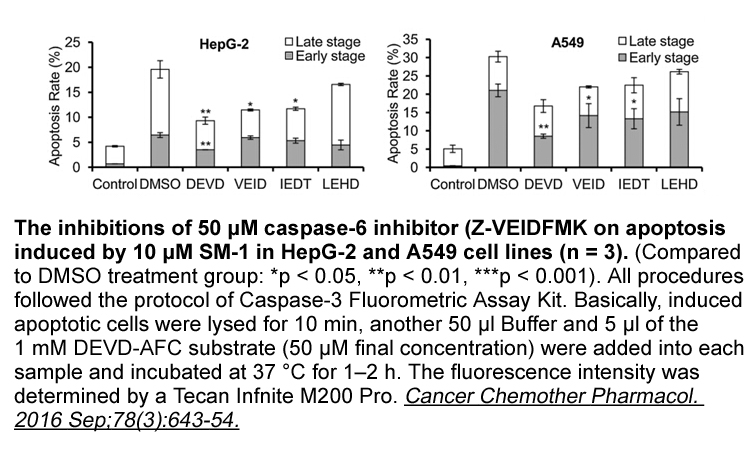
The N-terminal amino SCH772984 TFA sequence was made for STH2. This sequence showed high similarity (100%) with to trypsin-like found in the human airway classified as serine proteinase that also belongs to peptidase family SI and related also with chymotrypsin-like enzymes (Yasuoka et al., 1997).
-
Three kinase inhibitors dasatinib type I imatinib type
2021-05-28
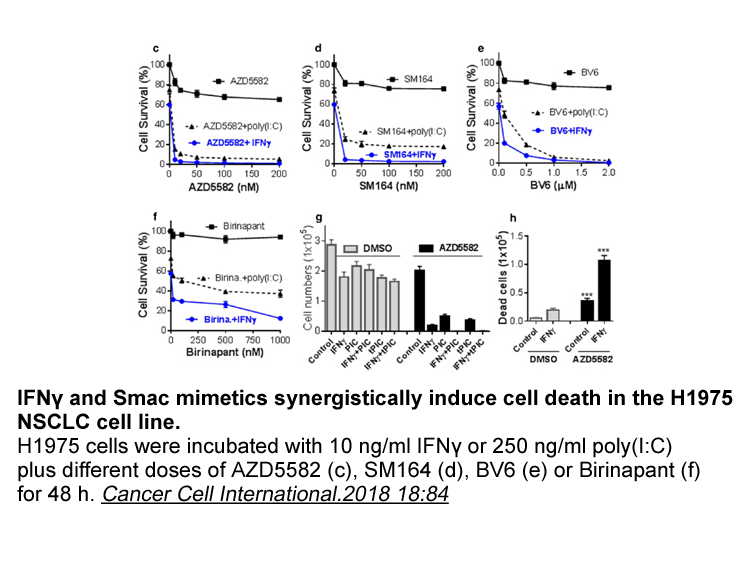
Three kinase inhibitors dasatinib (type I), imatinib (type II) and nilotinib (type II), identified initially as inhibitors of tyrosine kinase BCR-ABL, were found to target DDRs in a chemical proteomic profiling study (Bantscheff et al., 2007, Hantschel et al., 2008). These tyrosine kinase inhibitors
-
BWX 46 br Orthotopic liver transplantation OLT is
2021-05-28
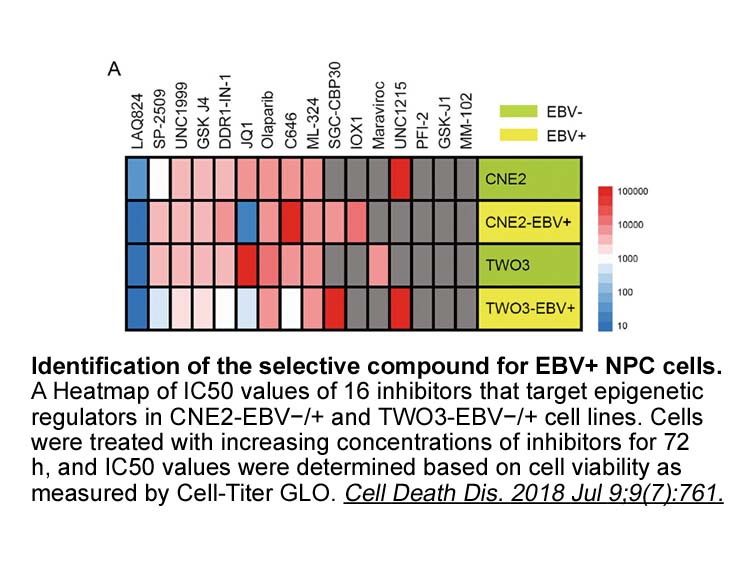
Orthotopic liver transplantation (OLT) is the only curative therapy available for patients with end-stage liver disease. The surgical procedure of liver transplantation inherently involves cold ischemia during graft preservation , followed by reperfusion of the transplanted graft which results in
-
The expression of EBI has been found to be dysregulated
2021-05-28
The expression of EBI2 has been found to be dysregulated in several types of B cell malignancies and is thus reduced in e.g. diffuse large B-cell lymphomas [12] and chronic lymphocytic leukemia [13] and increased in post-transplantation lymphoproliferative disorders (PTLDs) [14]. EBI2 is also highly
-
Main Text Post translational modifications by ubiquitin
2021-05-28
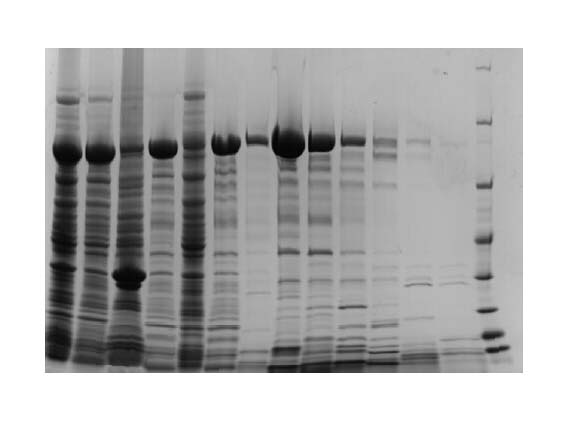
Main Text Post-translational modifications by ubiquitin (Ub) and ubiquitin-like proteins (Ubl) regulate a diverse array of cellular and physiological processes including protein degradation, localization, and activation. While ubiquitination has primary responsibility for targeting substrates for p
-
Herein the interactions of etamicastat nepicastat and zamica
2021-05-28
Herein, the interactions of etamicastat, nepicastat and zamicastat with P-gp and BCRP were evaluated. Although recent investigations have been performed to assess the involvement of P-gp in the SR 59230A hydrochloride exposure of nepicastat and etamicastat (Loureiro et al., 2015), the contribution
16932 records 702/1129 page Previous Next First page 上5页 701702703704705 下5页 Last page