Archives
- 2026-09
- 2026-08
- 2026-07
- 2026-06
- 2026-05
- 2026-04
- 2026-03
- 2026-02
- 2026-01
- 2025-12
- 2025-11
- 2025-10
- 2025-09
- 2025-03
- 2025-02
- 2025-01
- 2024-12
- 2024-11
- 2024-10
- 2024-09
- 2024-08
- 2024-07
- 2024-06
- 2024-05
- 2024-04
- 2024-03
- 2024-02
- 2024-01
- 2023-12
- 2023-11
- 2023-10
- 2023-09
- 2023-08
- 2023-07
- 2023-06
- 2023-05
- 2023-04
- 2023-03
- 2023-02
- 2023-01
- 2022-12
- 2022-11
- 2022-10
- 2022-09
- 2022-08
- 2022-07
- 2022-06
- 2022-05
- 2022-04
- 2022-03
- 2022-02
- 2022-01
-
Materials and methods br Results br Discussion The
2023-01-05

Materials and methods Results Discussion The BV-tag-based electrochemiluminescence immunoassay is an extremely sensitive assay. It has been employed for detecting analytes present in only picogram quantities (e.g., bacterial toxins [26], 4 methylumbelliferone [19]), measuring the activity of
-
On another hand pyrazoles are widely found as
2023-01-05
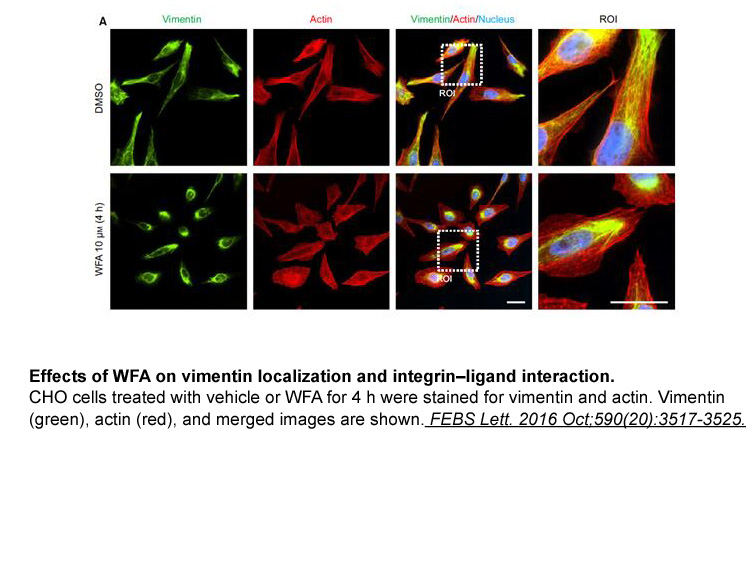
On another hand, pyrazoles, are widely found as the core structure in a large variety of compounds of great biological and pharmaceutical value exhibiting anti-HCV [11], antitumor [12], cytotoxic[13], and antioxidant activities [14]. Finally, 1,2,3-triazoles have attracted the interest of medicinal
-
Previous studies have demonstrated that the expression of th
2023-01-05
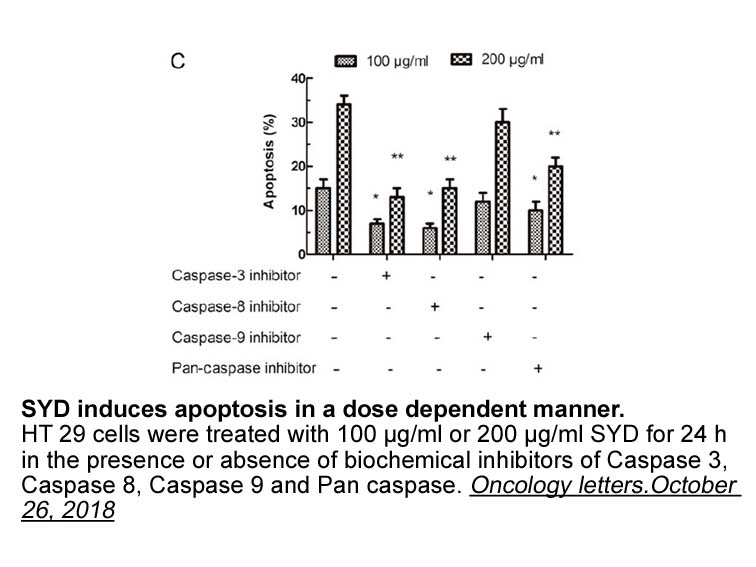
Previous studies have demonstrated that the expression of the Aurora B gene is maximally increased at G2/M phage during mitosis (Honda et al., 2003, Fu et al., 2007, Goldenson and Crispino, 2015), and exhibits an extraordinary upregulation in a number of human cancers (Fu et al., 2007, Kollareddy et
-
Then Autodock was employed for site directed
2023-01-05
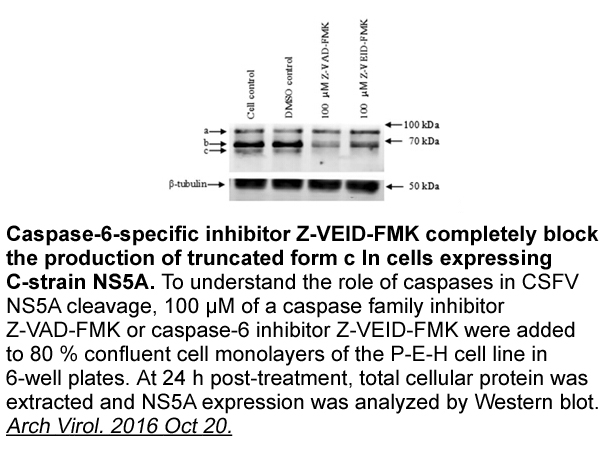
Then, Autodock4.2 was employed for site directed docking on AD with the ligands of the cluster(s) having high binding affinities in VS II experiment (Morris et al., 2009). Docking protocols were followed as per our earlier report with 200 GA (genetic algorithm) run (Kalani et al., 2015). Likewise, l
-
The mitogen activated protein kinase MAPK plays an important
2023-01-05

The mitogen-activated protein kinase (MAPK) plays an important role in a variety of cell processes by controlling transcriptional or translational regulation [14]. There are three major MAPK family members that have been well characterized: extracellular signal-regulated kinase (ERK), c-Jun N-termin
-
Another possible explanation of the increased BOP levels
2023-01-05
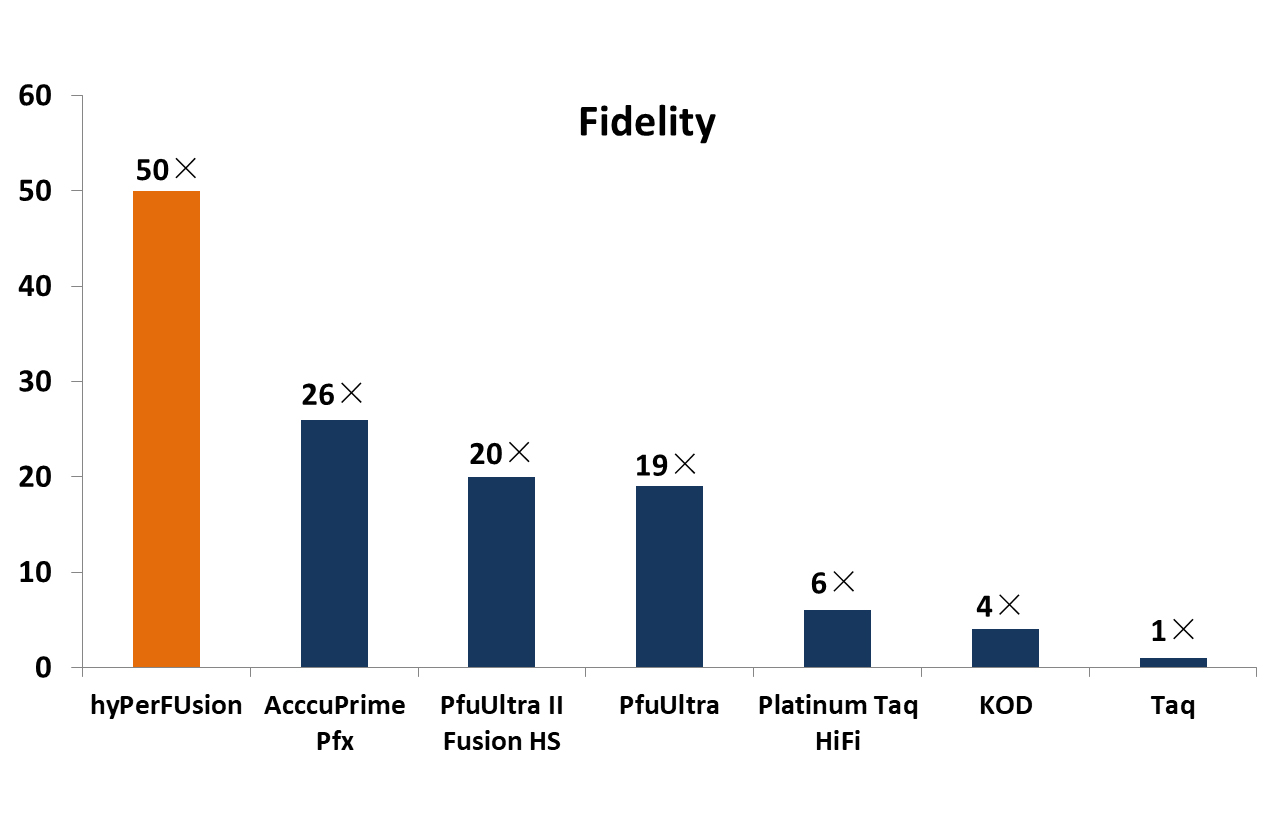
Another possible explanation of the increased BOP levels might be excess cement. In the present study, cement-retained fixed restorations were used. Cementation of the implant-supported restorations may cause the insufficient removal of excess cement from the peri-implant sulcus. Also, the placement
-
This progressive behaviour is summarized in Fig which
2023-01-05
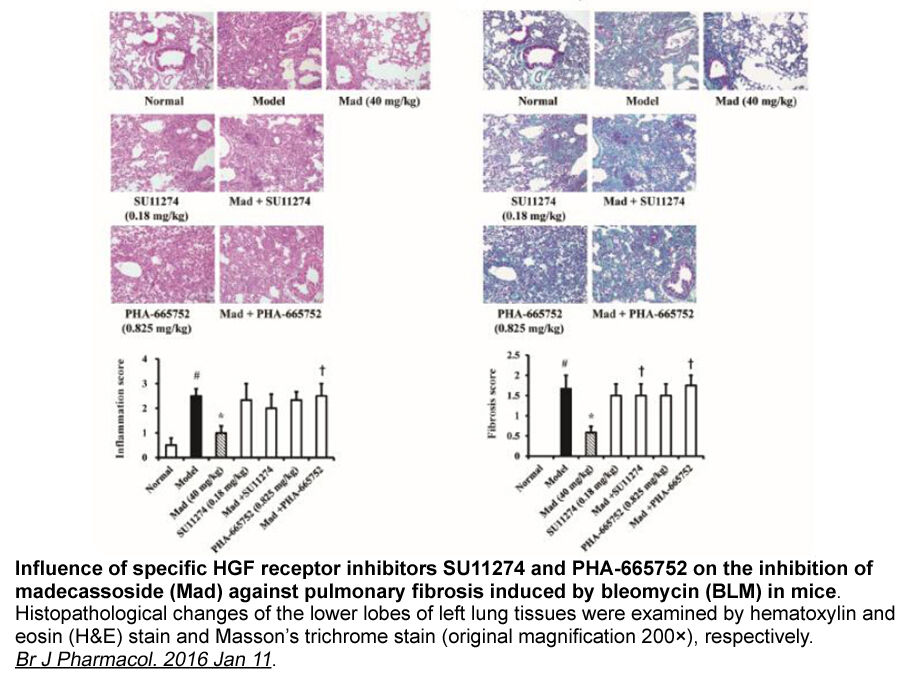
This progressive behaviour is summarized in Fig. 4, which depicts the variation in convexity of the obtained cut-off patterns for the series of six antioxidants. The form and degree of convexity of the obtained cut-off curves should in principle correlate with the AOs hydrophobicities, and therefor
-
However relatively little information is available concernin
2023-01-05
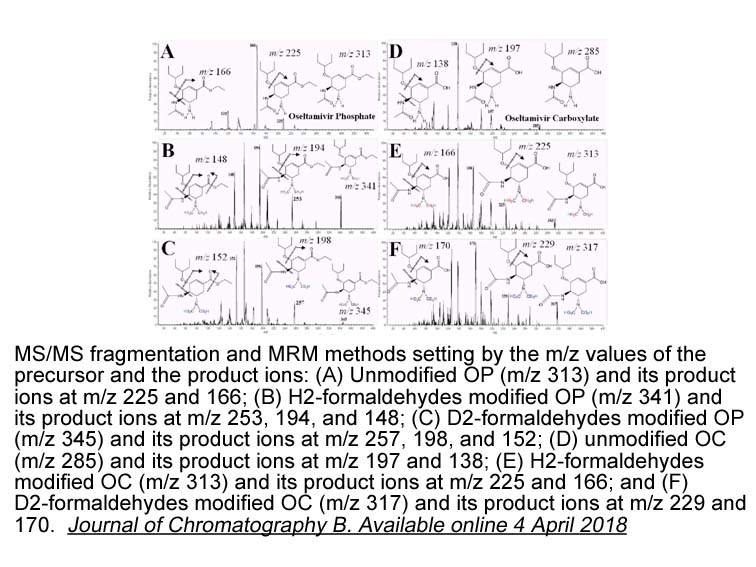
However, relatively little information is available concerning the biochemical properties and other features of such enzymes in Taeniid species. In the current report, a M17 leucine aminopeptidase gene of T. pisiformis (TpLAP) was cloned and expressed, and its enzymatic activity, biochemical propert
-
Some of the mechanisms that involve LOX as
2023-01-05
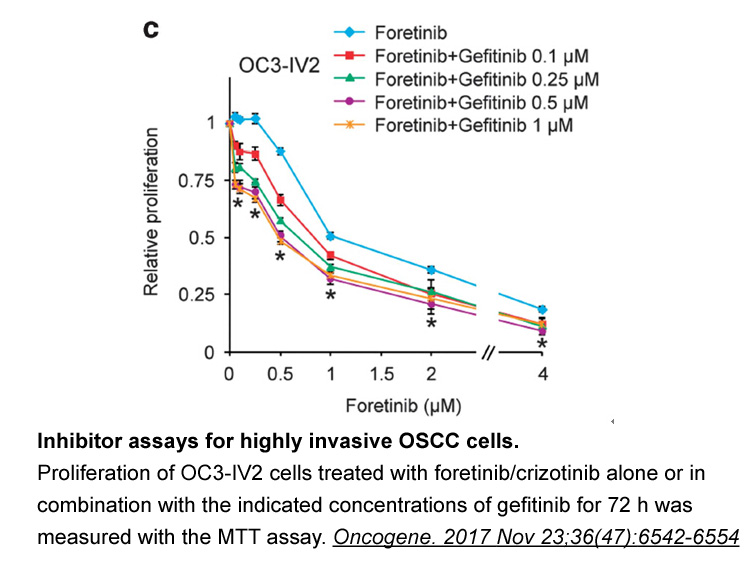
Some of the mechanisms that involve 12-LOX as a potential pathogenic enzyme are illustrated in Fig. 2. Direct β cell effects associated with the stimulation of 12-LOX activity include the activation of second messengers c-Jun N-terminal kinase and p38 MAPK, both of which show increased phosphorylati
-
br Methods br Results br Discussion Agitation
2023-01-05
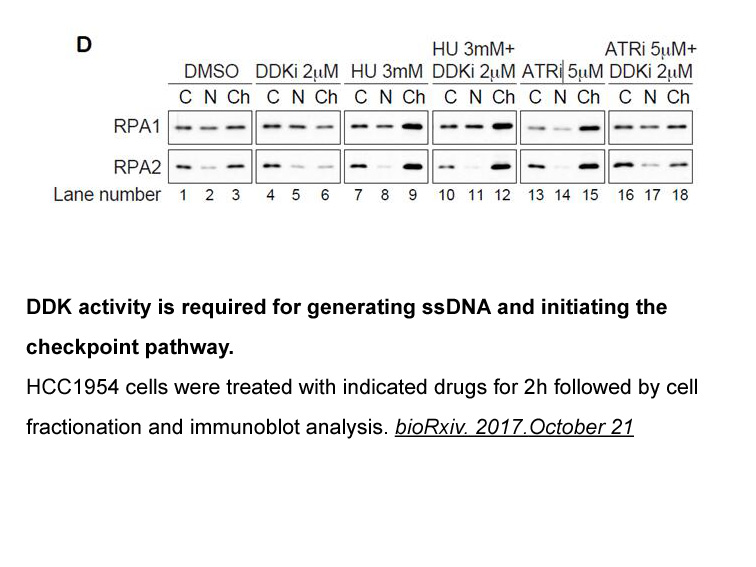
Methods Results Discussion Agitation in dementia has recently been defined as a syndrome characterized by inferred or observed evidence of emotional distress associated with at least one behavioral component, i.e. excessive motor activity, verbal or physical aggression (Cummings et al., 201
-
br AHR expression in cancer Perhaps the earliest indicator t
2023-01-05
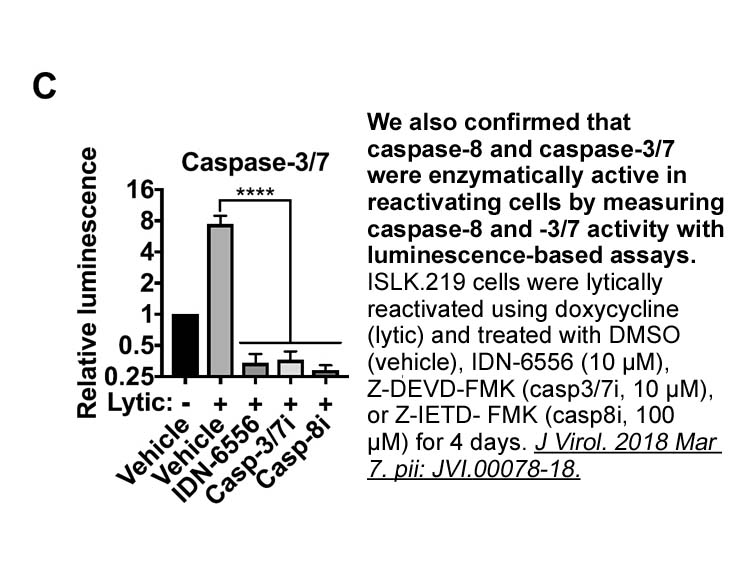
AHR expression in cancer Perhaps the earliest indicator that the AHR might play an ongoing role in tumorigenesis, independent of its role in generating mutations, was the demonstration that non-genotoxic 2,3,7,8-tetrachlorodibenzo(p)dioxin (TCDD) is a carcinogen in animals and humans [7]. Althoug
-
G has been shown to participate in
2023-01-05
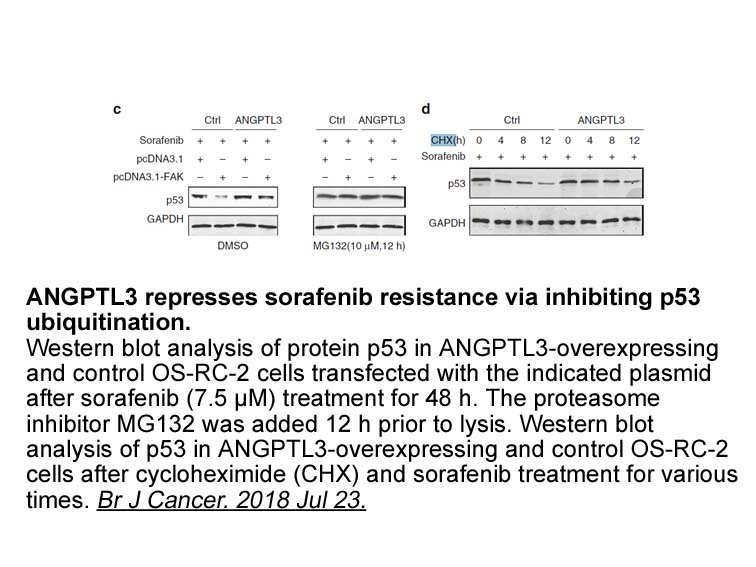
Gβγ has been shown to participate in various MT-dependent processes such as cell growth and differentiation [15,[21], [22], [23], [24], [25], [26]]. G-protein β-subunit anti-sense oligonucleotides have been shown to inhibit cell proliferation and cause disorganization of the mitotic spindle in mamma
-
In order to get a
2023-01-05

In order to get a better understanding of this synergy, we tested the effect of preliminary incubation of PF-431396 with non-stimulating concentrations of gonadotropins or FSK before subsequent stimulation by FSK or gonadotropins alone, also at sub-stimulating concentrations. We observed that human
-
It involves complementary and inflammatory
2023-01-04
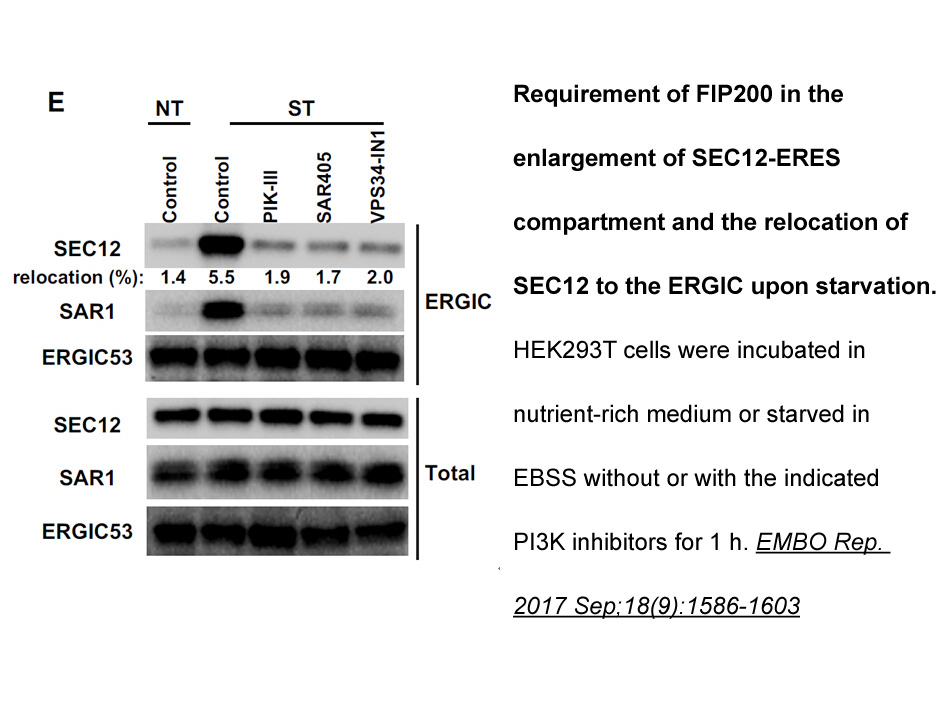
It involves complementary and inflammatory system proteins, mast cells, eosinophils, basophils, macrophages, natural killer (NK) cells and cytokines [1]. Innate immunity, not only include cells, but also barriers that defend the organism to the penetration of pathogenic agents [2]. Important mediat
-
br Conclusion br List of abbreviations br Acknowledgment The
2023-01-04
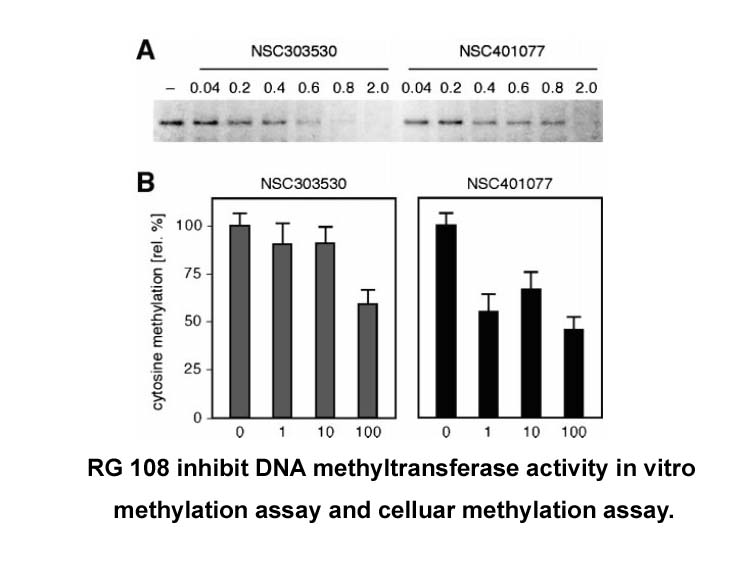
Conclusion List of abbreviations Acknowledgment The studies performed by our laboratory and presented in this review were supported by the Ministry of Education, Culture, Sports, Science and Technology of Japan, (KAKENHI 17590618 [to H.I.] and KAKENHI 22249017 [to Y.Y.]), and the Japanese S
8660 records 409/578 page Previous Next First page 上5页 406407408409410 下5页 Last page