Archives
- 2026-10
- 2026-09
- 2026-08
- 2026-07
- 2026-06
- 2026-05
- 2026-04
- 2026-03
- 2026-02
- 2026-01
- 2025-12
- 2025-11
- 2025-10
- 2025-09
- 2025-03
- 2025-02
- 2025-01
- 2024-12
- 2024-11
- 2024-10
- 2024-09
- 2024-08
- 2024-07
- 2024-06
- 2024-05
- 2024-04
- 2024-03
- 2024-02
- 2024-01
- 2023-12
- 2023-11
- 2023-10
- 2023-09
- 2023-08
- 2023-07
- 2023-06
- 2023-05
- 2023-04
- 2023-03
- 2023-02
- 2023-01
- 2022-12
- 2022-11
- 2022-10
- 2022-09
- 2022-08
- 2022-07
- 2022-06
- 2022-05
- 2022-04
- 2022-03
- 2022-02
- 2022-01
-
PC is considered as a cancer of
2024-05-09
PC is considered as a cancer of the epigenome (Grasso et al., 2012, Robinson et al., 2015). Our results demonstrate that the interaction of AR with ACK1 drives the positive feedback epigenetic circuitry that is ultimately conducive to promote AR transcription. Further, this circuitry subjugates AR t
-
The theoretical calculations of ADME parameters molecular
2024-05-09
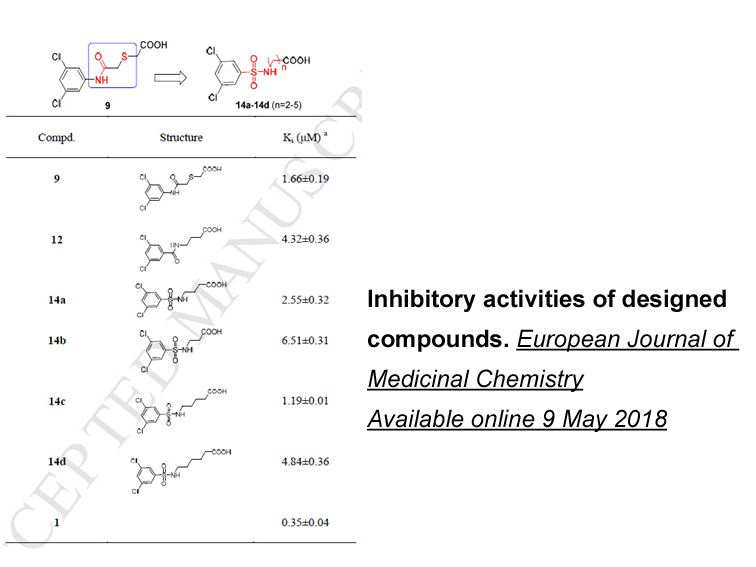
The theoretical calculations of ADME parameters (molecular weight (MW), log P, topological polar surface are (tPSA), number of hydrogen donors (nON) and acceptors (nOHNH), and volume) and DLS are presented in along with the violations of Lipinski’s rule. According to these data, all compounds (–) c
-
Our co IP data show that HT
2024-05-09
Our co-IP data show that 5HT1A or 5HT2A receptors do not heterodimerize with mGluR1α receptors. Given that both 5-HT and mGlu receptors are GPCRs and produce anxiolytic effects, a degree of cooperativity via a functional cross-talk may still exist between these receptors [11]. In addition to the fun
-
Despite functional studies demonstrating the role of HT
2024-05-09
Despite functional studies demonstrating the role of 5-HT in ureteral contractility, the source of endogenous 5-HT in the ureter is unclear. Since 5-HT-containing enterochromaffin cells, which are present in the gastrointestinal tract, could not be found in the ureter (Nocito et al., 2007, Ripoche,
-
br Patients and Methods br
2024-05-09
Patients and Methods Results Discussion Gjerdrum et al showed that Axl Carbamazepine is required to maintain the mesenchymal-like invasiveness of metastatic breast carcinoma cells, but Axl knockdown has no effect on the cell proliferation of MDA-MB-231 cells. Mackiewicz et al also showed t
-
br Contemporary understanding for alcoholic cardiomyopathy U
2024-05-09
Contemporary understanding for alcoholic cardiomyopathy Up-to-date, a number of theories are postulated for alcoholic cardiomyopathy including generation of mitochondrial reactive oxygen species (ROS), oxidative stress, neurohormonal overactivation (catecholamines and angiotensin II), apoptosis a
-
ABC super family proteins are
2024-05-09
ABC super family proteins are found in all forms of life and ABC-F subfamily of proteins are involved in cellular processes such as translational control and antibiotic resistance by ribosomal protection [3], [5]. The Mtb ABC proteins that do not contain transmembrane domains have not been studied [
-
A large number of studies have shown
2024-05-09
A large number of studies have shown that oxidative stress is involved in the pathophysiological process of ventricular remodeling and is associated with left ventricular dysfunction (Hori and Nishida, 2009, Lord et al., 2010). The generation of reactive oxygen species (ROS) that exceeds anti-oxidat
-
TLX may promote survival and prevent apoptosis in NB
2024-05-09
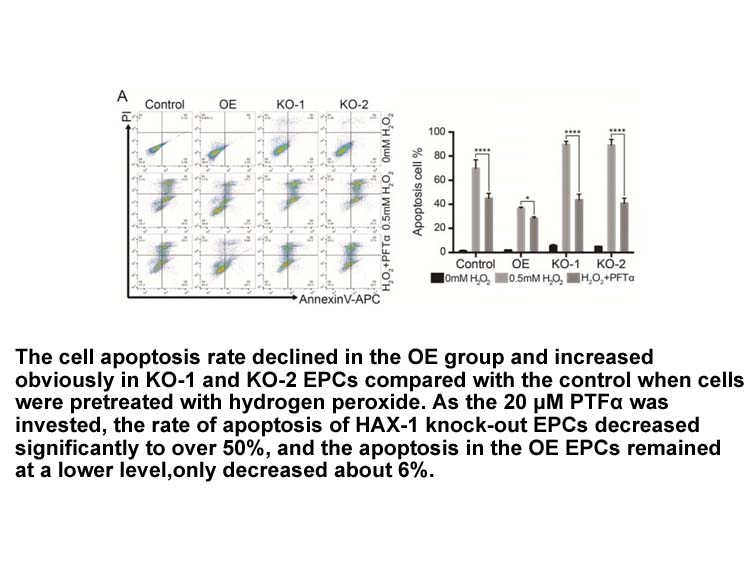
TLX may promote survival and prevent apoptosis in NB Calcium Gluceptate [12]. Here, we ask whether the survival-promoting effects of TLX are mediated by Apoptosis Signal-regulating Kinase-1 (ASK1, MAP3K5). ASK1 is a member of the Mitogen-Activated Protein (MAP) kinase family and it preferentially a
-
br Current limitations and future
2024-05-09
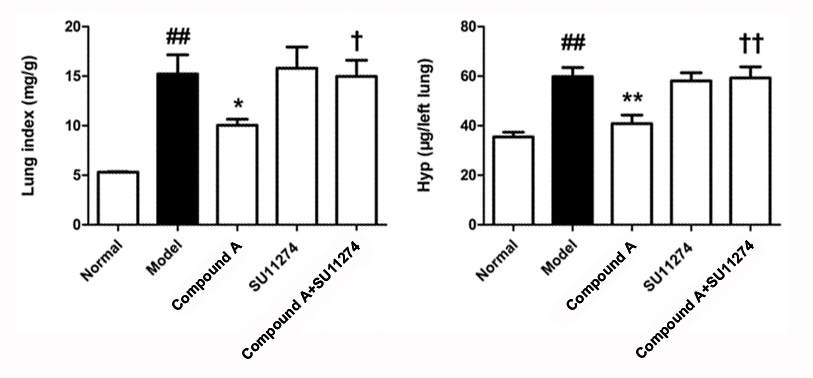
Current limitations and future directions There are several limitations associated with PET imaging of aromatase using carbon-11 labeled aromatase inhibitors. Due to the very short half-life of carbon 11 (20min), PET studies with currently available, validated tracers can only be performed in med
-
The contractility index showed positive inotropic effects
2024-05-09
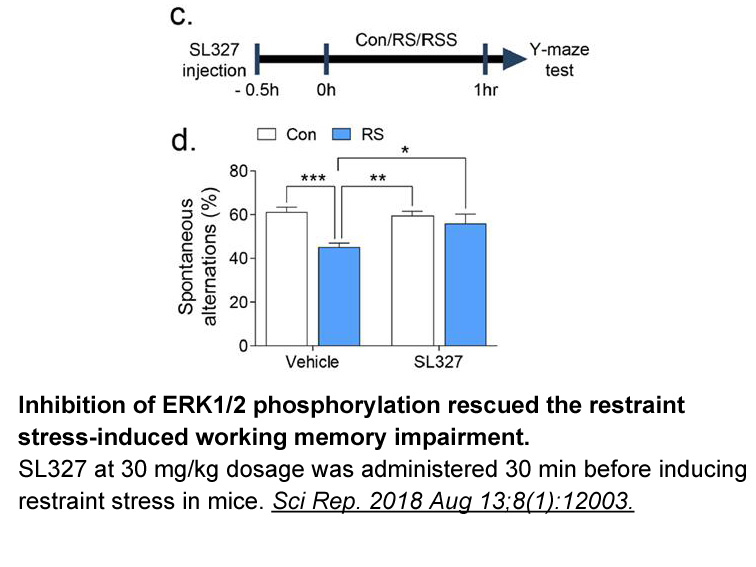
The contractility index showed positive inotropic effects of apelin in both doses at min 5 (Fig. 3, Fig. 5). Although the mean arterial pressure did not recover to the baseline, the contractility index increased, the relaxation index (tau) and ±dp/dt max returned back to their baseline, and left ven
-
Over expression of the inflammatory
2024-05-09
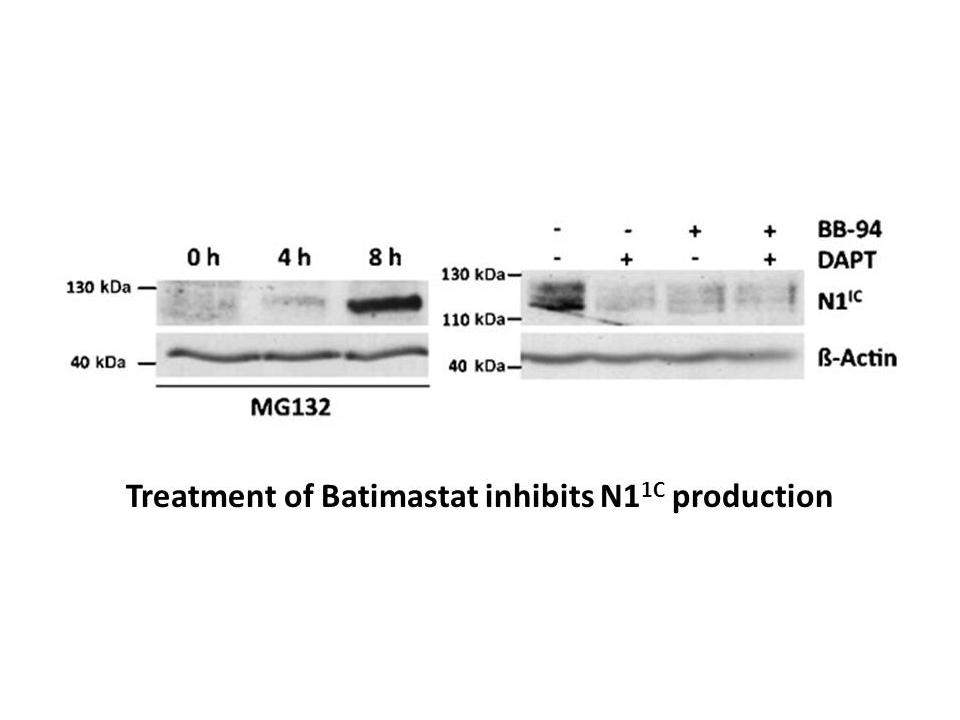
Over expression of the inflammatory cytokines, MMPs and COX-2 act as an important inducer of chronic inflammation. COX-2 catalyzes the biosynthesis of prostaglandins (PGs), and induced expression was observed in difluprednate stimulated with pro-inflammatory cytokines or bacterial lipopolysaccharid
-
HMGA proteins have also been
2024-05-09
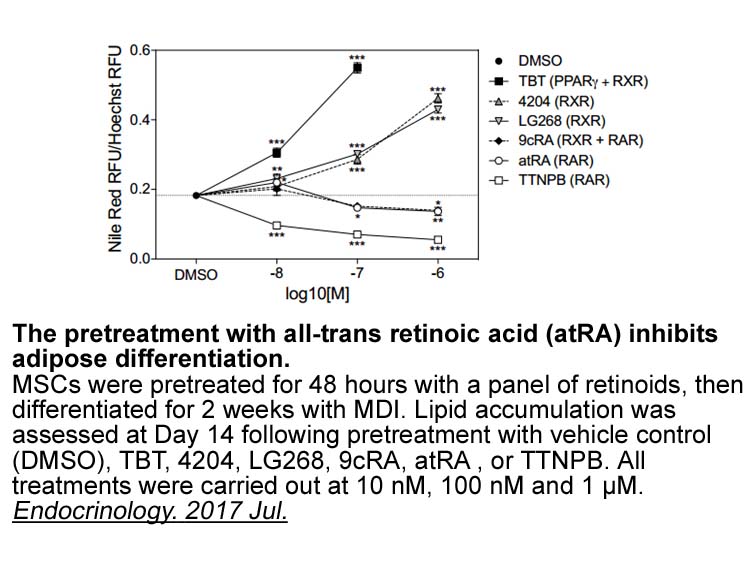
HMGA proteins have also been linked to localized changes in chromatin/nucleosome structure and alterations of cellular phenotype during induction of gene transcription in activated T lymphocytes. An adaptive immune response is initiated when naïve resting T lymphocytes encounter their corresponding
-
As patients with type diabetes
2024-05-08
As patients with type 2 diabetes are known to be hyperinsulinemic per se, this relationship between insulin/IGF1 receptor and AR may point towards a causal role of insulin in AR upregulation. Indeed, this is supported by several previous observations. Beyond the already mentioned AR activation by in
-
Aerobic exercise plays an important
2024-05-08
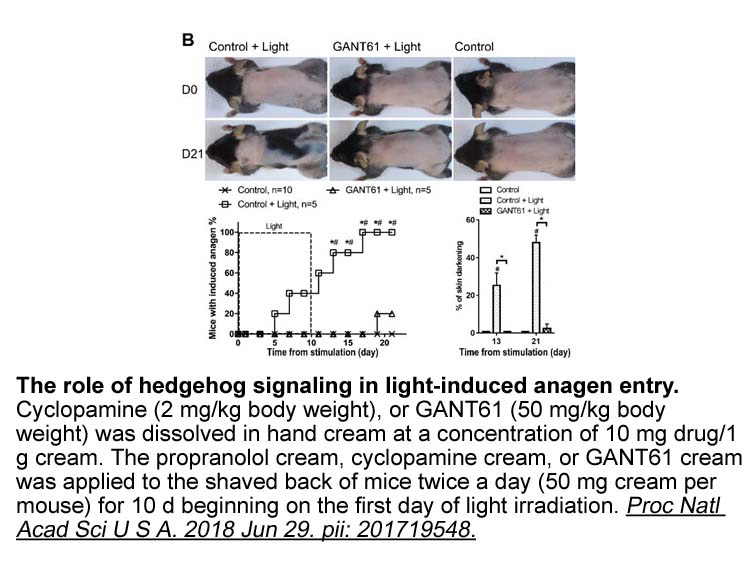
Aerobic exercise plays an important role in the regulation of vorapaxar mg metabolism in the skeletal muscle. It is also associated with increases in AMPK and GLUT4 levels, resulting in the improvement of the glucose uptake signaling pathway [17,18]. Recently, it has been shown that exercise markedl
8679 records 189/579 page Previous Next First page 上5页 186187188189190 下5页 Last page